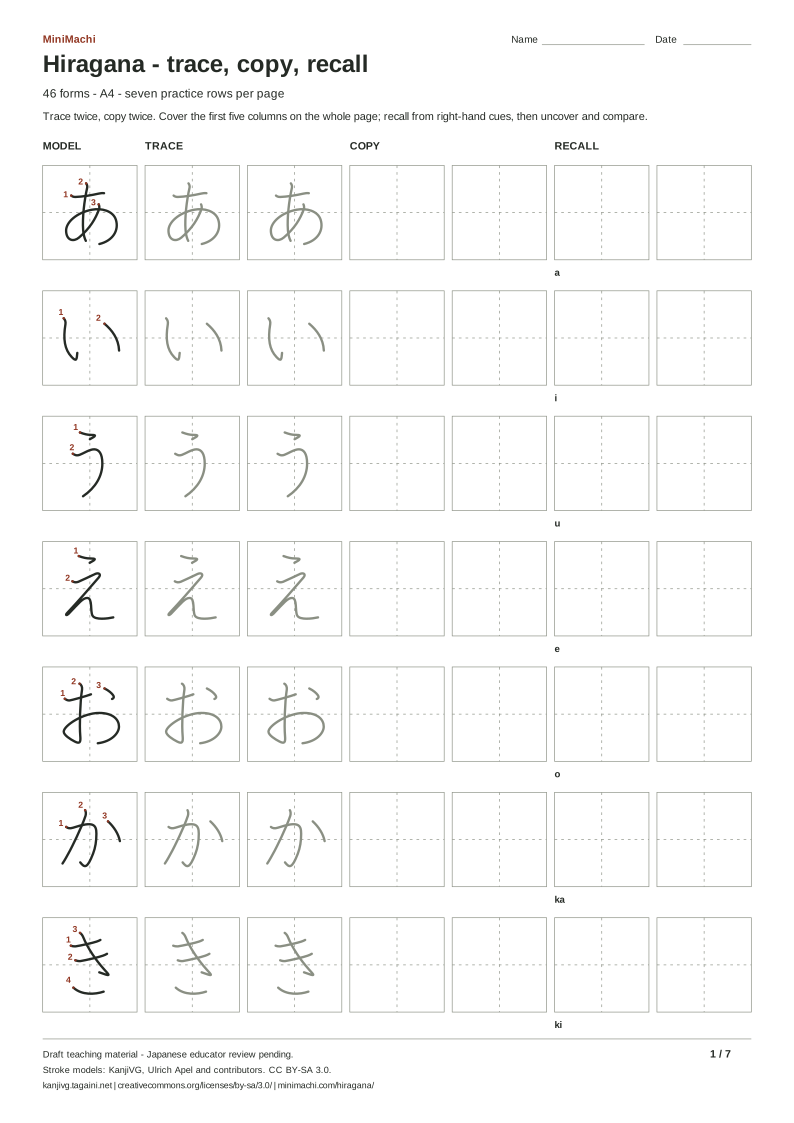
All 46 basic hiragana
Numbered models, tracing and writing space for all basic hiragana.
7 pages · preview shows page 1
Preview a sheet, download a PDF, and start writing.
Numbered models, tracing and writing space for all basic hiragana.
7 pages · preview shows page 1
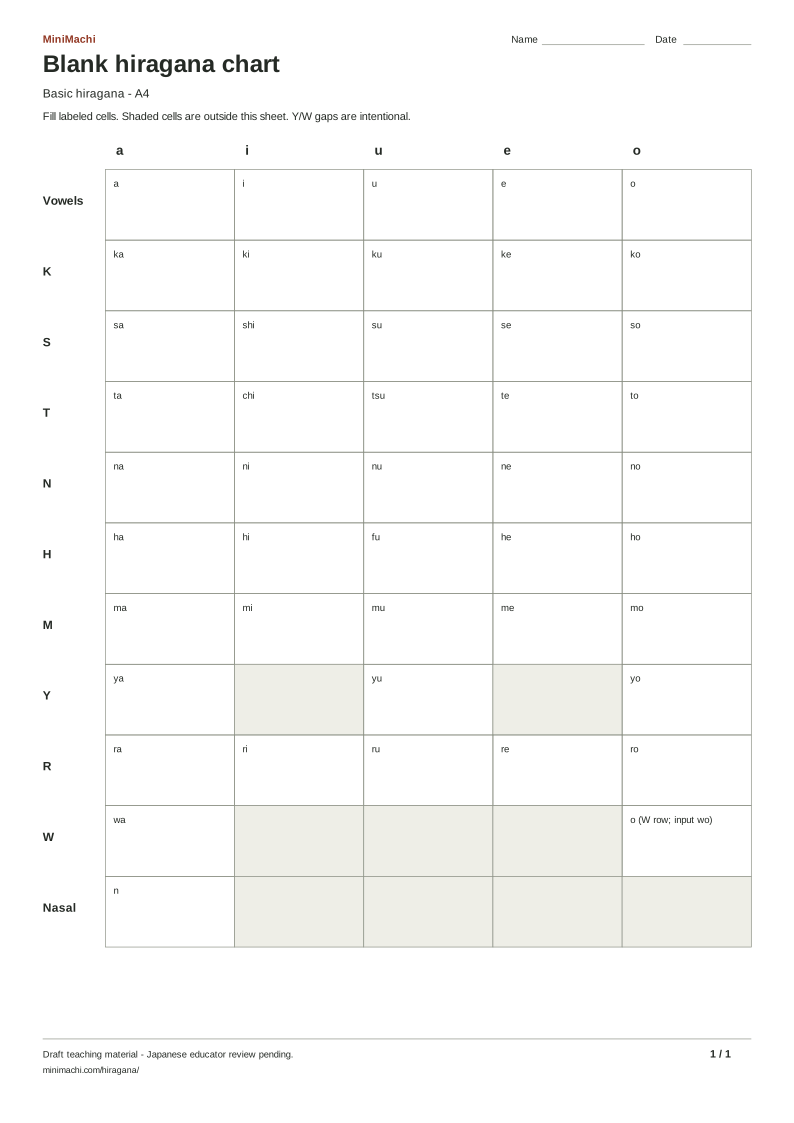
Fill the 46 modern basic positions from memory.
1 page · preview shows page 1
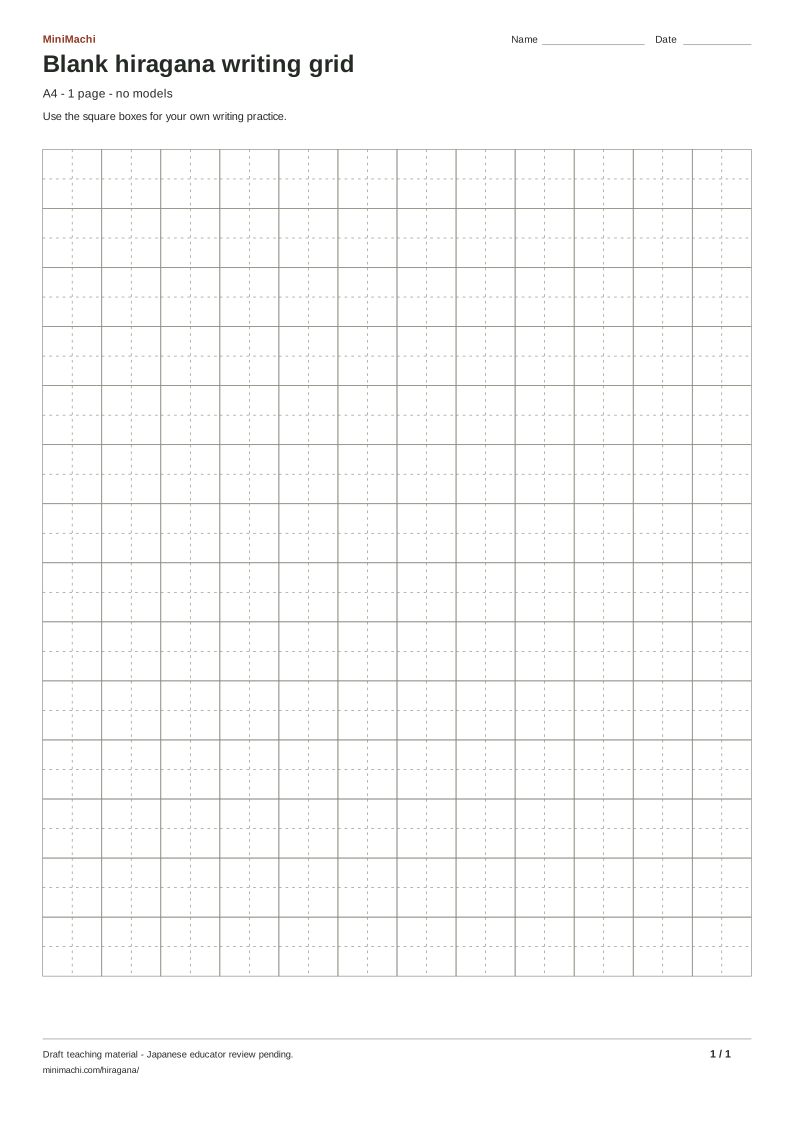
Square writing boxes with center guides; no character models.
1 page · preview shows page 1
Free downloads · no account or email · both paper sizes work without JavaScript. Open a preview to inspect it at full size. New to hiragana? Start with five vowels.
Custom sheets are unavailable in this view. Choose a ready-made PDF.
Preparing your sheet…
Follow the numbered model, trace the pale forms, then copy. Cover the first five columns on the whole page, including your copies, for recall. Leave the cues below the last two boxes uncovered; then uncover and compare.
Look at the numbered model and copy into the empty boxes. Compare each attempt before repeating.
Write the form for the reading cue, then check against the chart. D-row and W-row cues distinguish same-sound spellings.
Fill only the labeled cells. Shaded cells have no selected form; gaps in the Y and W rows are intentional.
Blank square writing boxes with center guides. No character models or reading cues.
Choices here change this sheet only. Arrow keys move between forms and keep their column; Space or Enter adds or removes one.
A short set fills its last page with optional repeats from the same set. Use them, or stop where you like.
Choose one row, a marked set or the full basic-and-marked pack. Writing sheets have numbered models and matching previews; the blank marked chart has reading cues only.
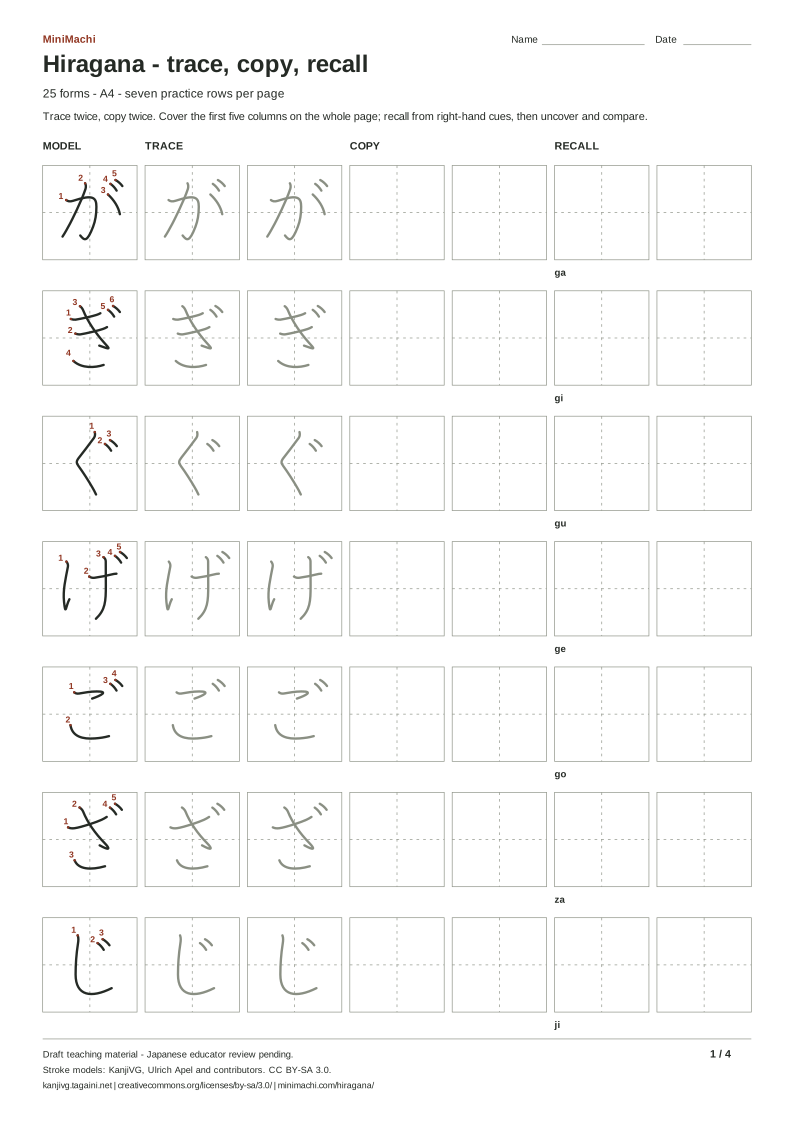
Numbered models, tracing, copying and recall for this set.
4 pages · preview shows page 1
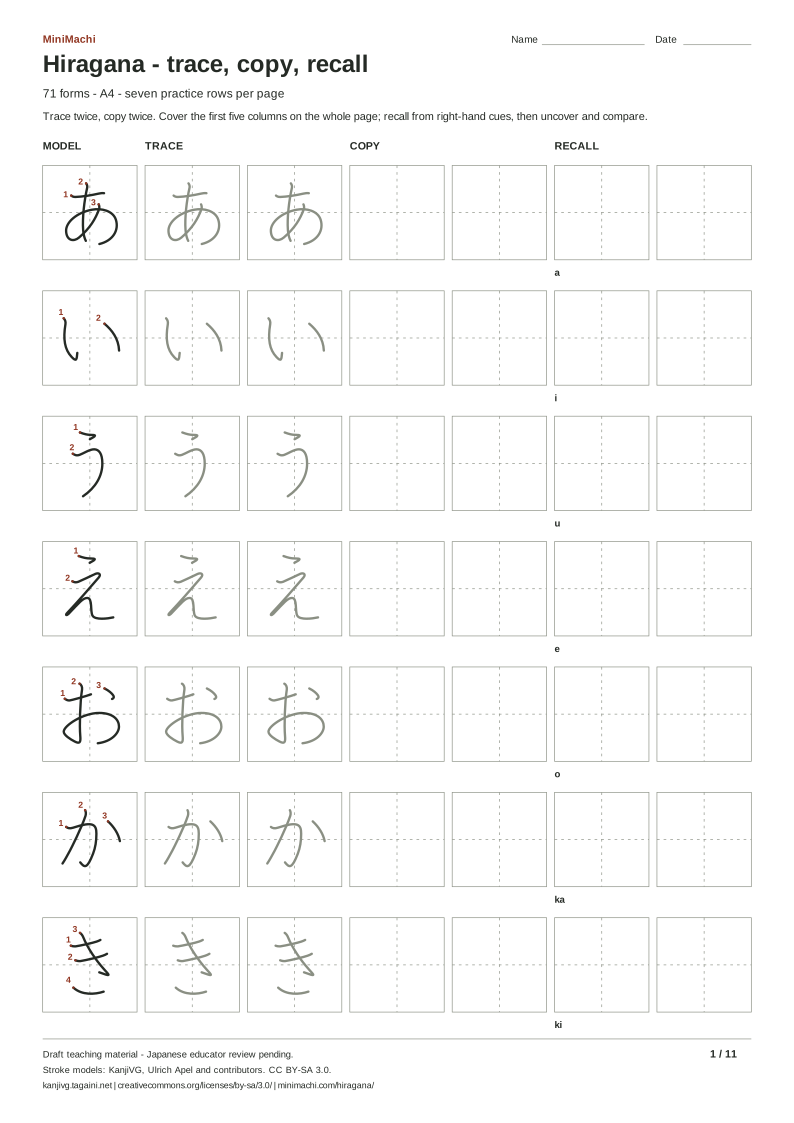
Numbered models, tracing, copying and recall for this set.
11 pages · preview shows page 1
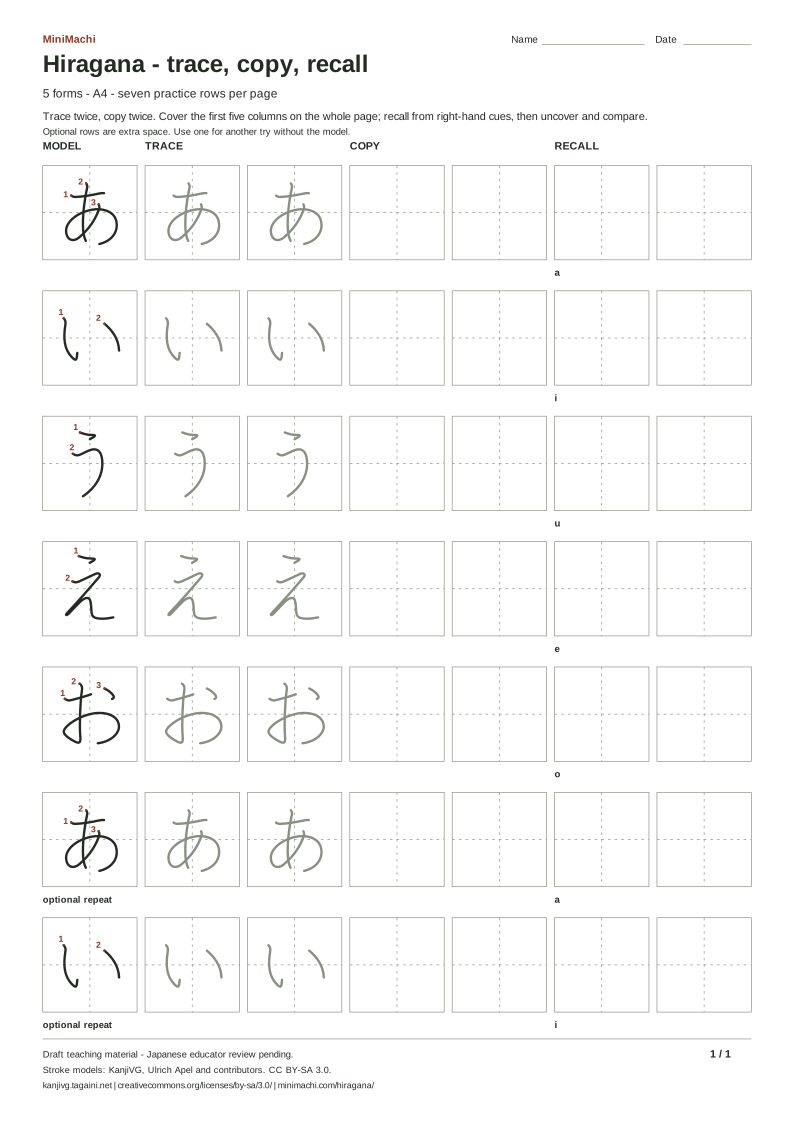
Numbered models, tracing, copying and recall for this set.
1 page · preview shows page 1
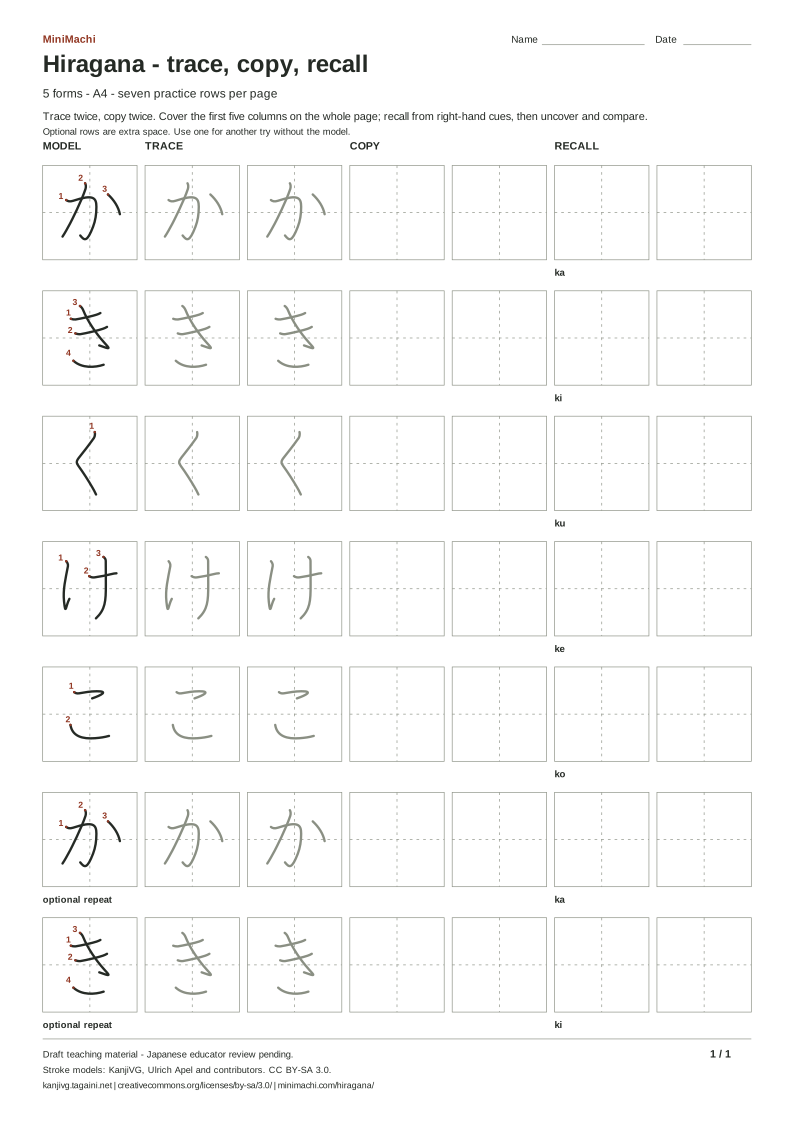
Numbered models, tracing, copying and recall for this set.
1 page · preview shows page 1
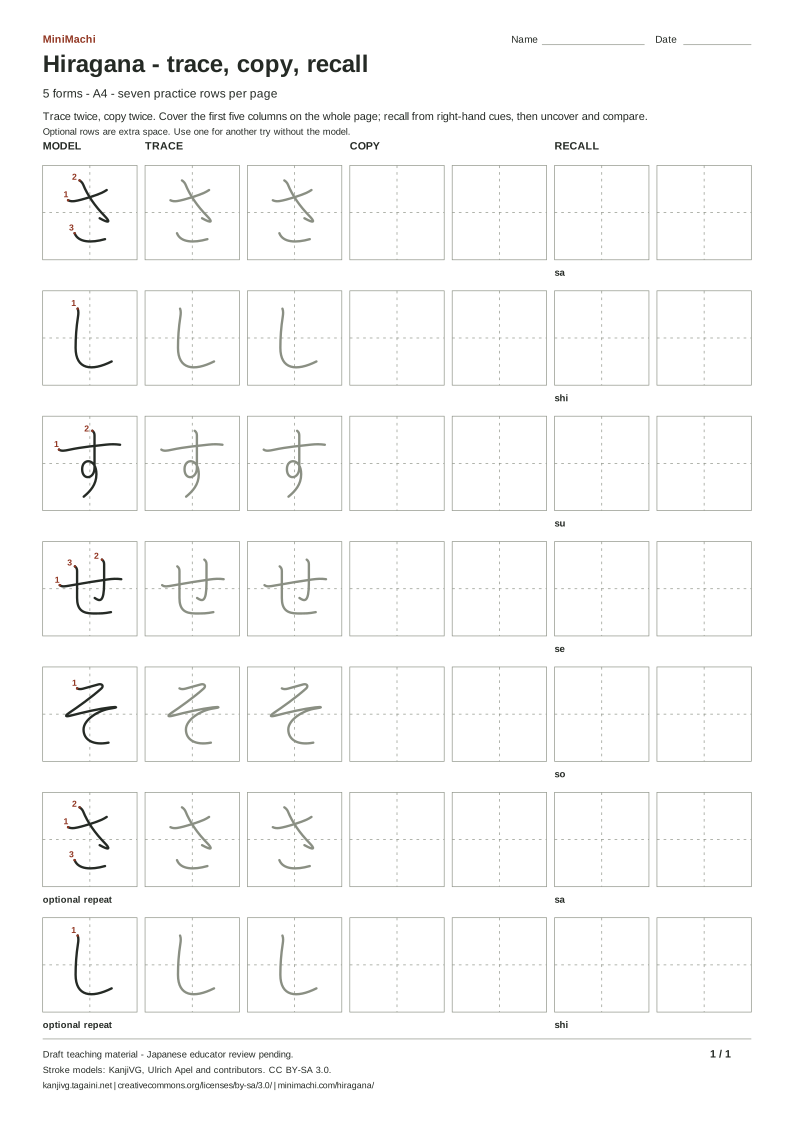
Numbered models, tracing, copying and recall for this set.
1 page · preview shows page 1
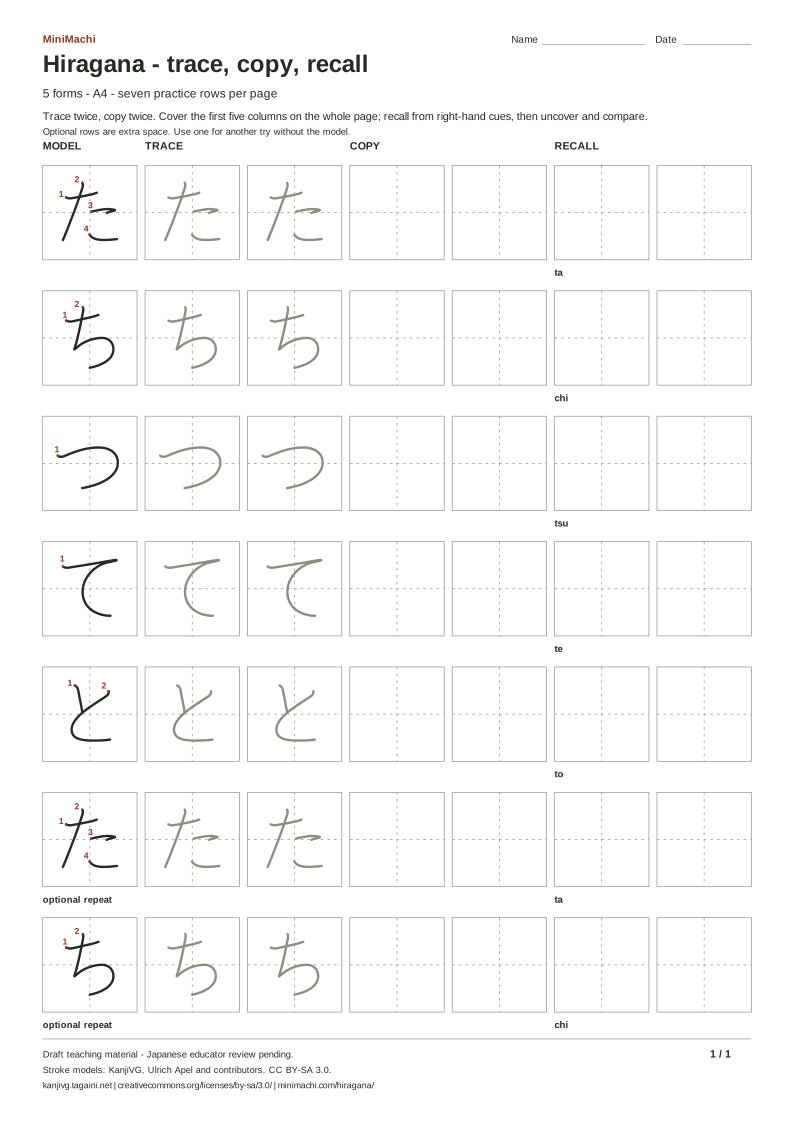
Numbered models, tracing, copying and recall for this set.
1 page · preview shows page 1
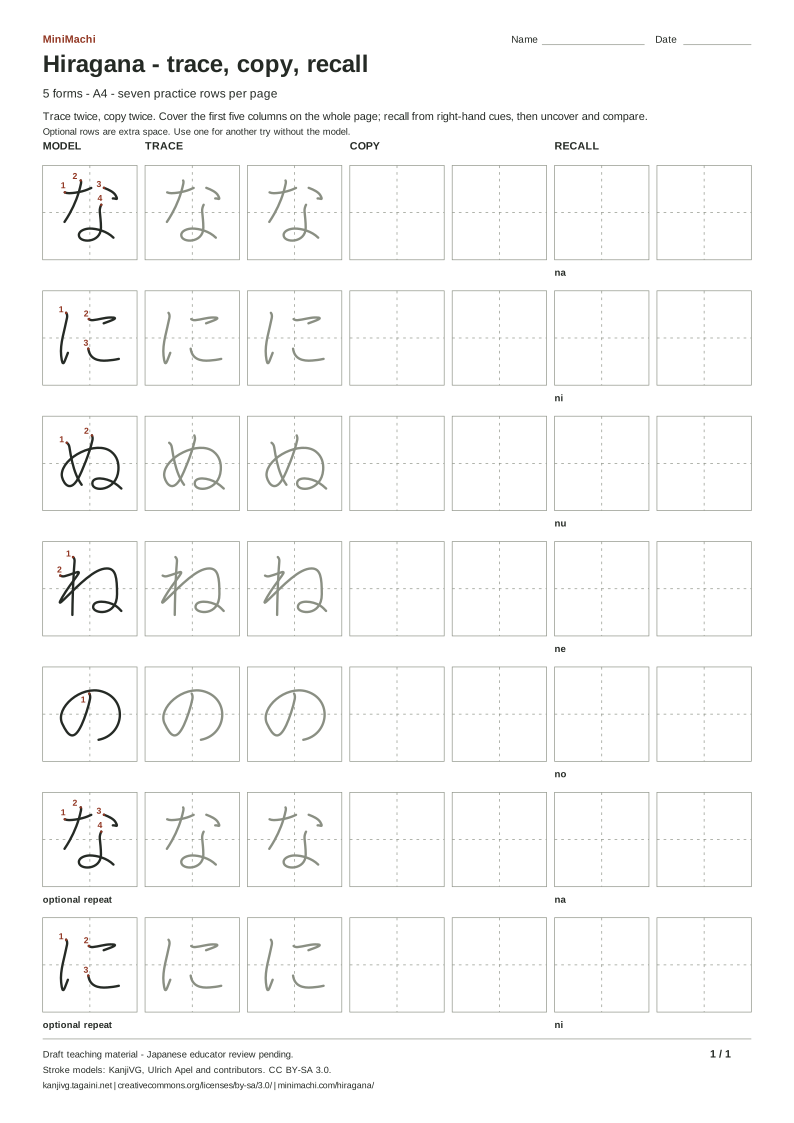
Numbered models, tracing, copying and recall for this set.
1 page · preview shows page 1
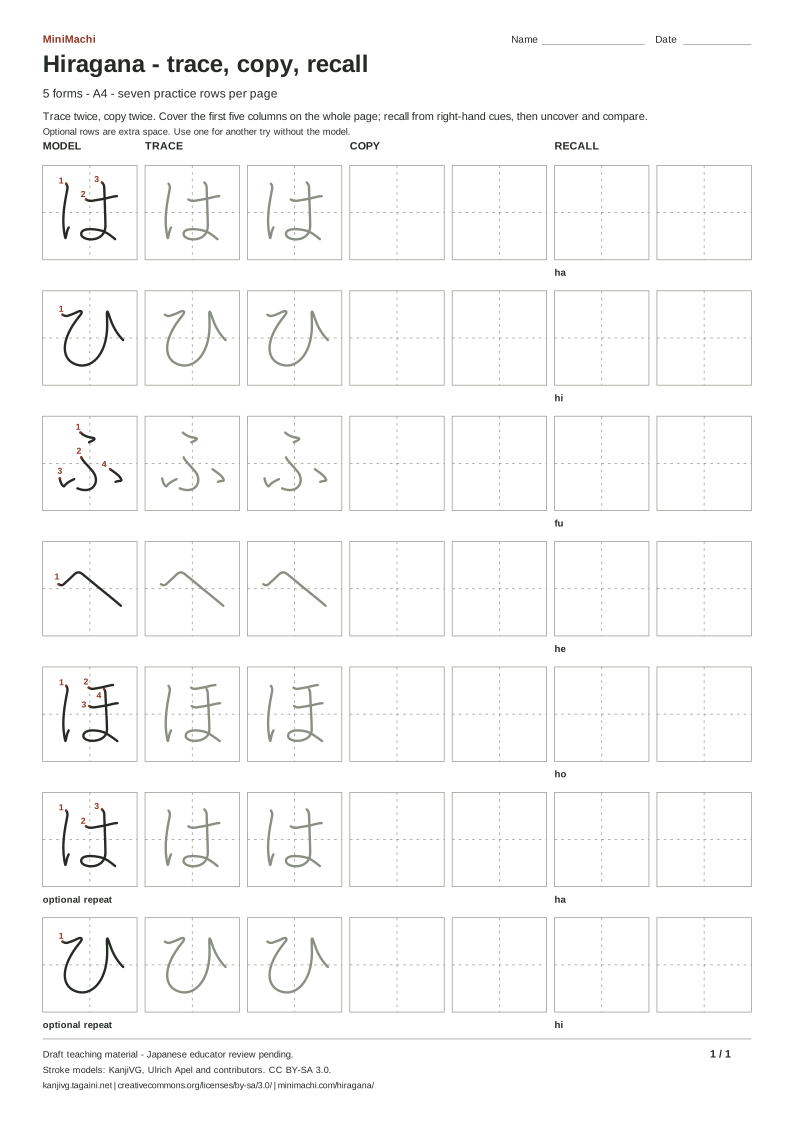
Numbered models, tracing, copying and recall for this set.
1 page · preview shows page 1
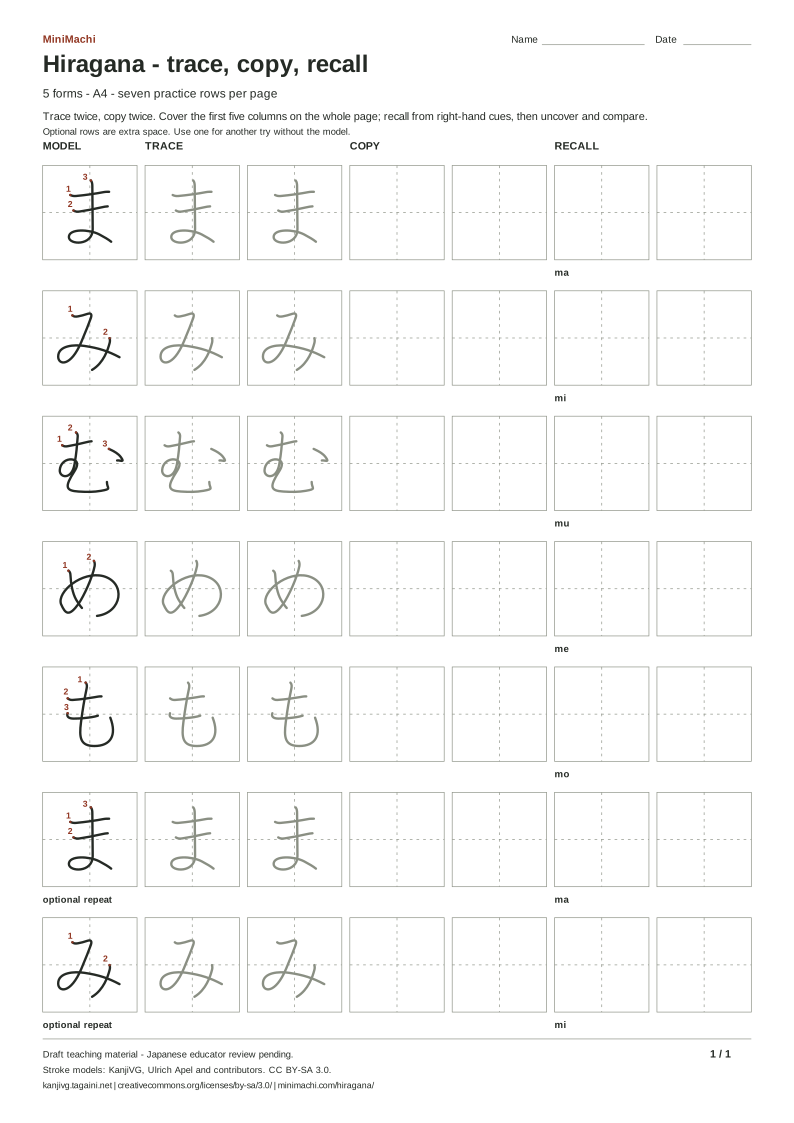
Numbered models, tracing, copying and recall for this set.
1 page · preview shows page 1
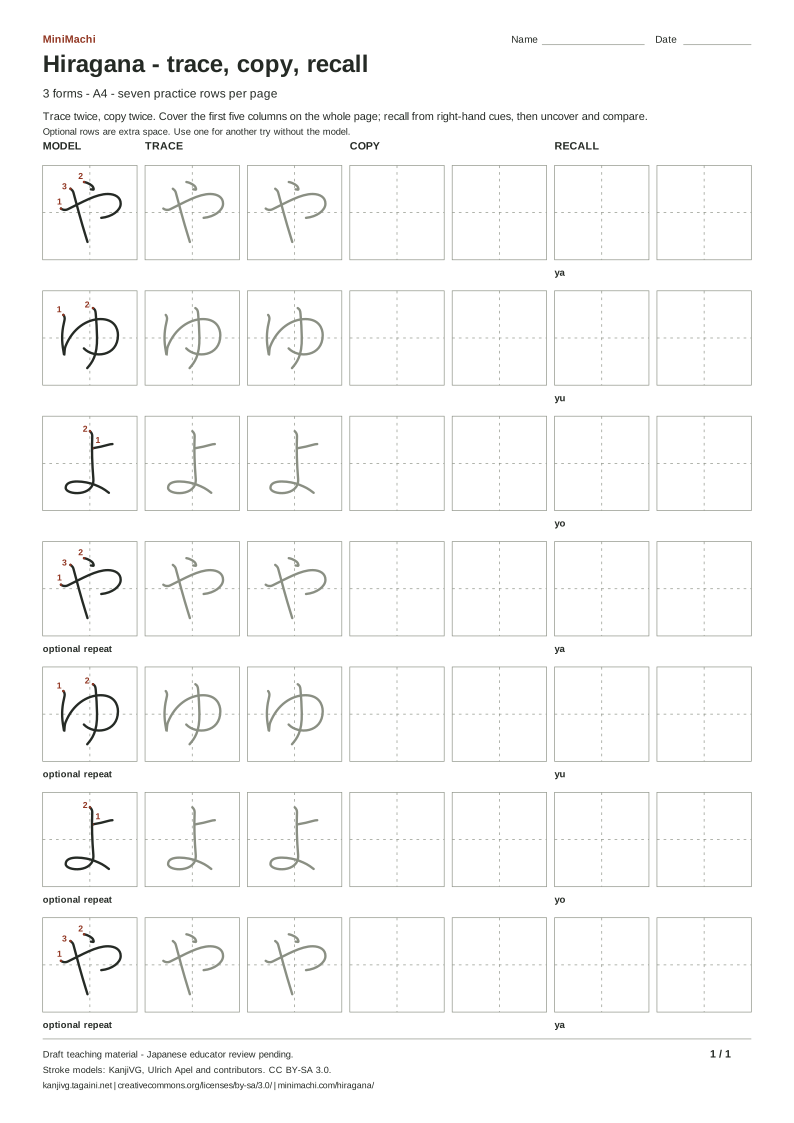
Numbered models, tracing, copying and recall for this set.
1 page · preview shows page 1
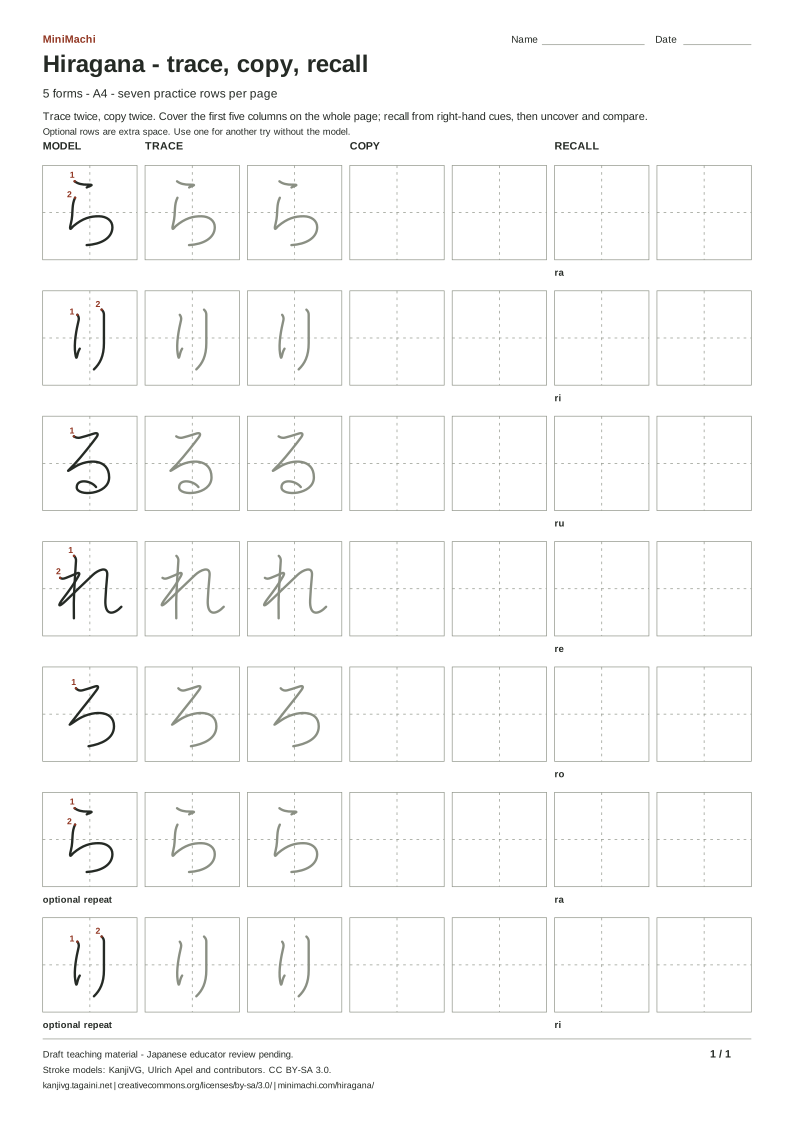
Numbered models, tracing, copying and recall for this set.
1 page · preview shows page 1
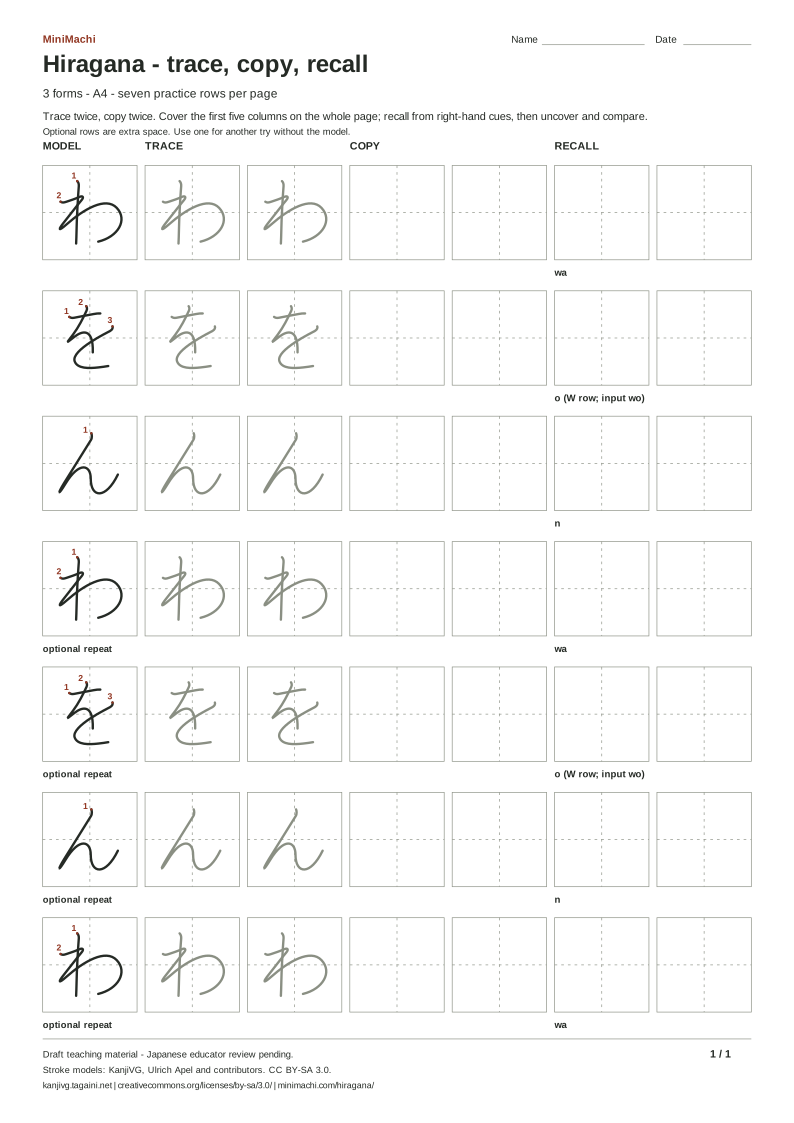
Numbered models, tracing, copying and recall for this set.
1 page · preview shows page 1
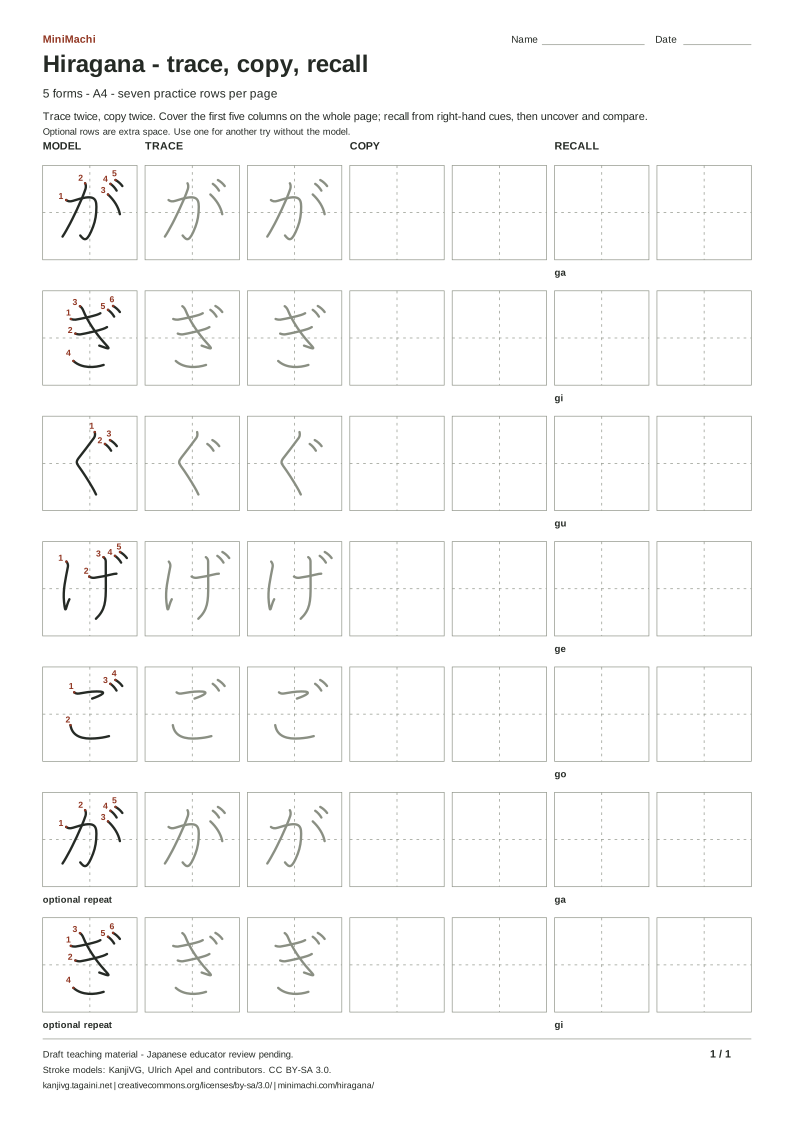
Numbered models, tracing, copying and recall for this set.
1 page · preview shows page 1
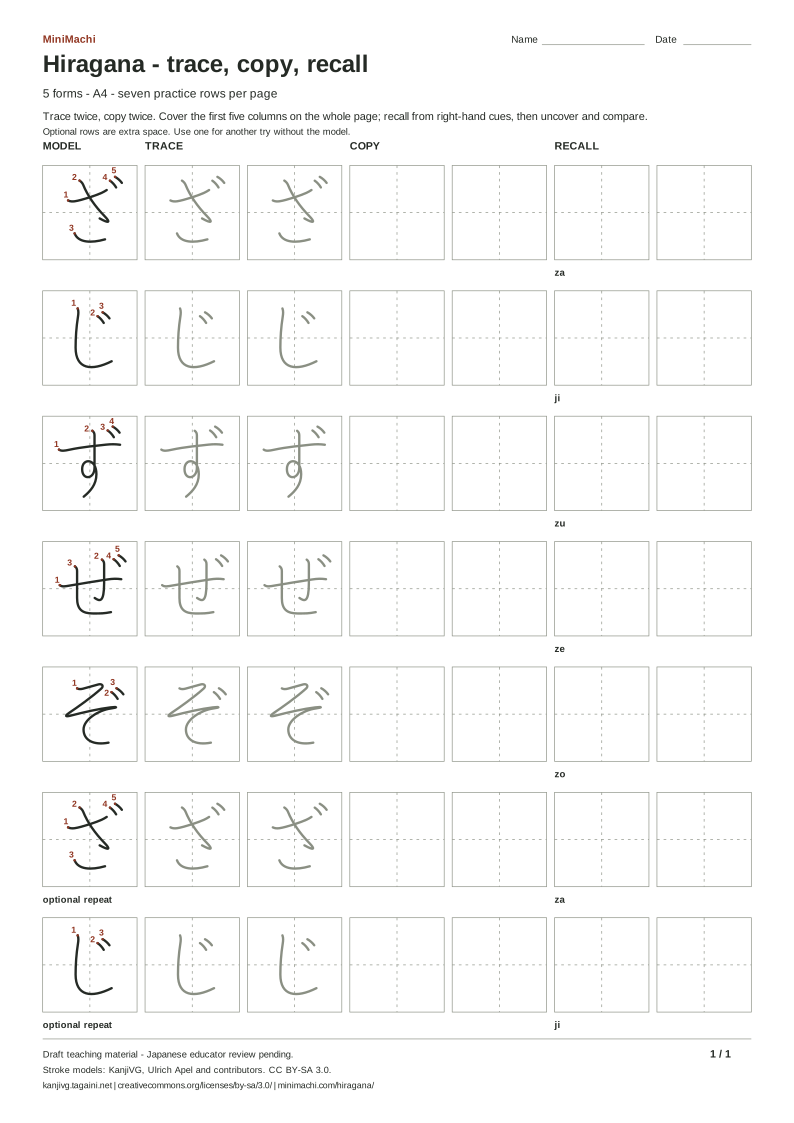
Numbered models, tracing, copying and recall for this set.
1 page · preview shows page 1
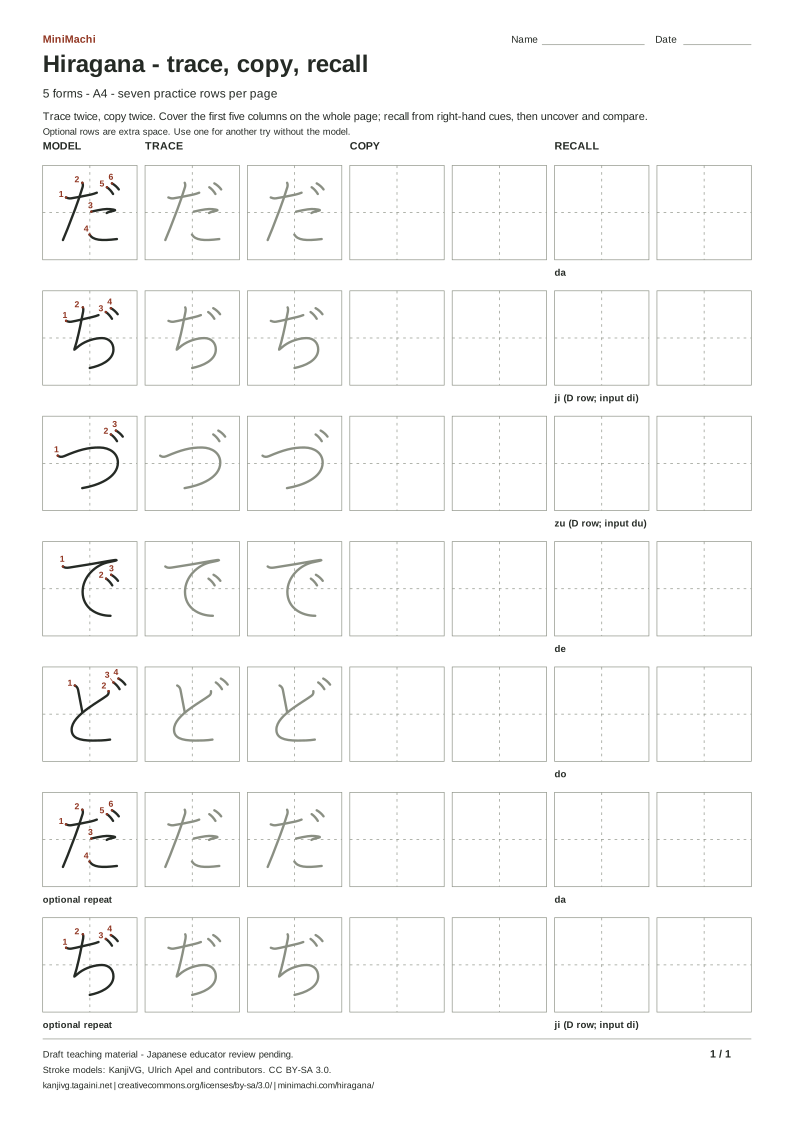
Numbered models, tracing, copying and recall for this set.
1 page · preview shows page 1
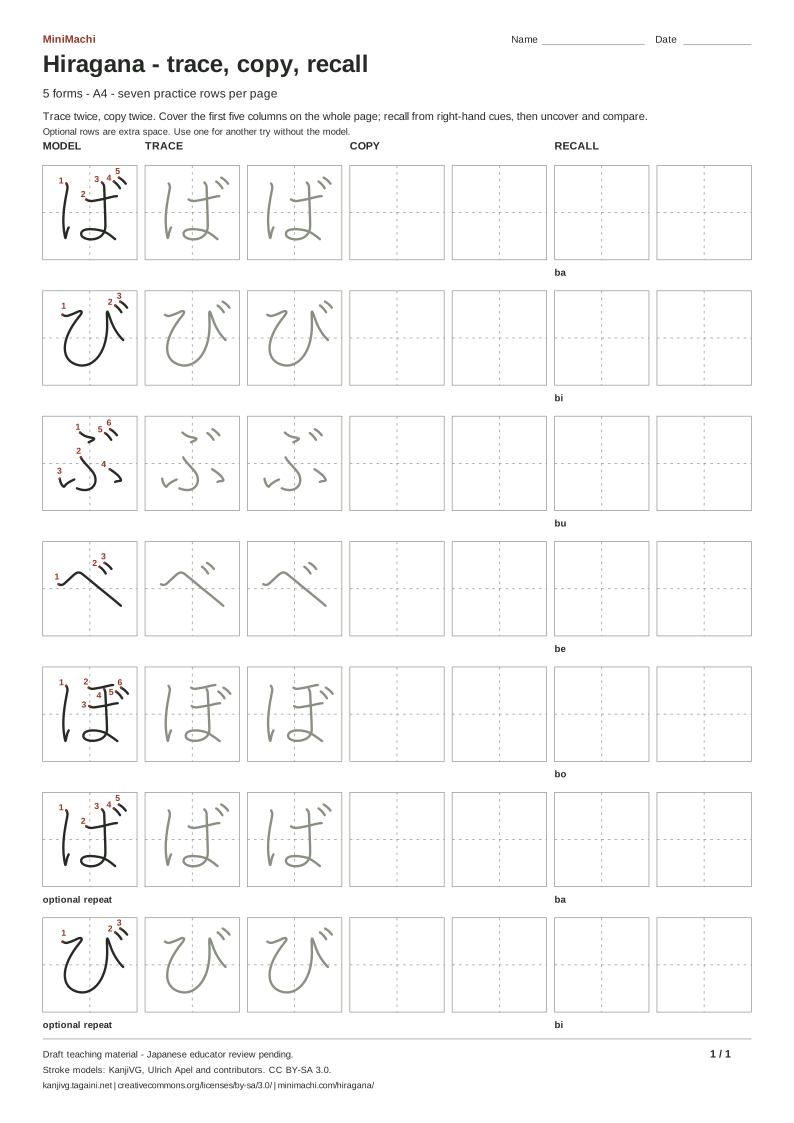
Numbered models, tracing, copying and recall for this set.
1 page · preview shows page 1
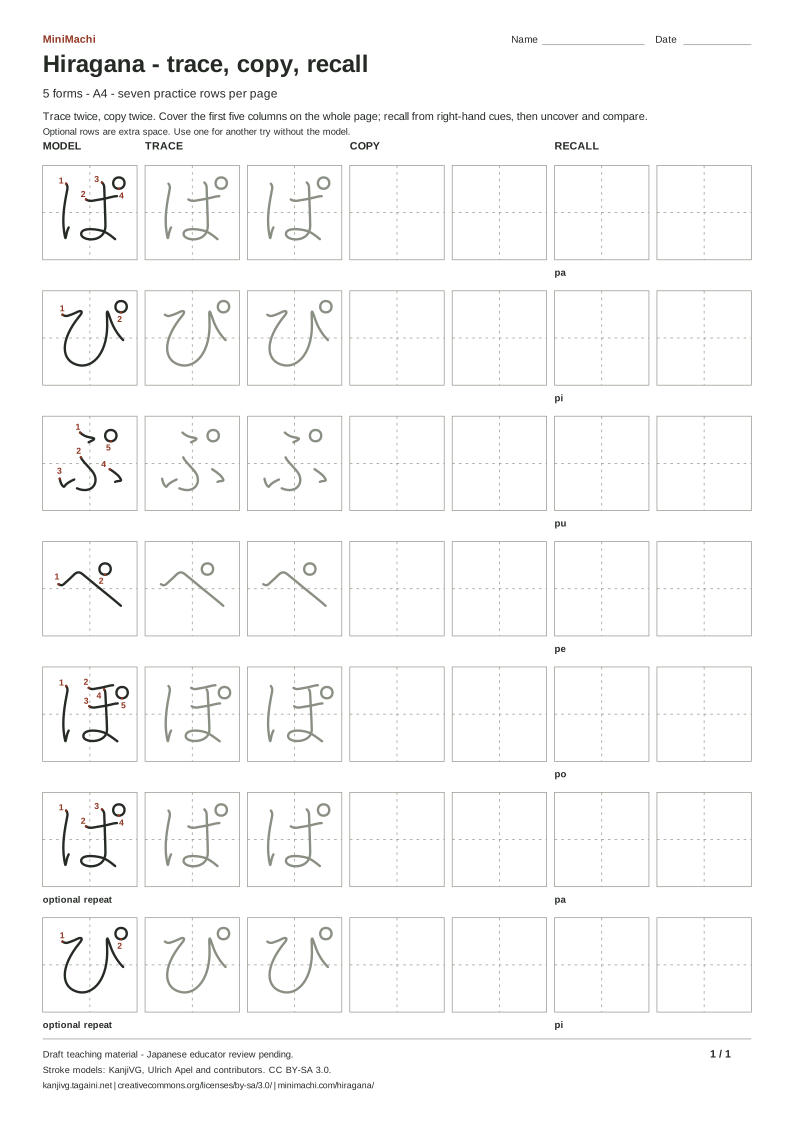
Numbered models, tracing, copying and recall for this set.
1 page · preview shows page 1
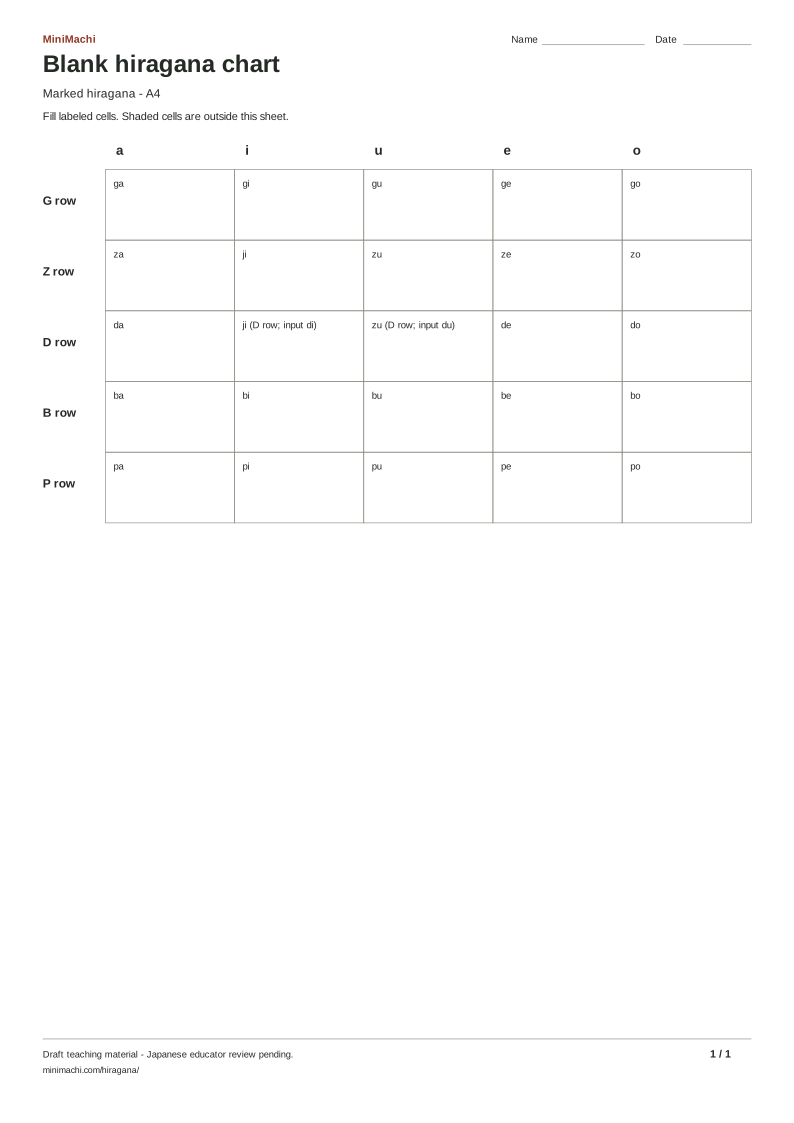
Fill the G, Z, D, B and P rows.
1 page · preview shows page 1
Start dots mark stroke beginnings. Numbers show order, and the stroke-order page shows movement. Two-kana combinations restart their numbers on the second kana.
For を, the reading is o and keyboard input is wo. D-row ぢ・づ use ji/zu readings with di/du input labels, so recall cues distinguish them from じ・ず.
Choose US Letter or A4 to match your paper. Each PDF has that exact page size. Print at actual size with browser headers and footers off. Printer margins vary; check the print preview before printing.
Yes. Open Change characters, choose a row or toggle forms, then save the PDF. A small set fills its page with optional repeats. Choices here change this sheet only; “Use this sheet as my study set” makes the chart and the practice pages use its single forms too. Links from those pages bring your study set, or the characters you were looking at, here.
A blank chart shows reading cues only for your selected forms. Shaded cells are outside your sheet; Y/W gaps have no modern basic character. A blank grid has writing boxes with no models or cues and does not depend on a character selection.
The ready-made PDF links and previews work without JavaScript. Custom selection and browser-generated files need JavaScript. Use your PDF viewer to print a ready-made file.
They are drafts pending a Japanese educator. Generated audio is available in the listening section.
These PDFs practice hiragana characters. For other study, open the hiragana and katakana reference chart or read hiragana words. Those pages are references and reading exercises; they do not provide katakana or word-writing PDFs here.
Draft teaching material · Japanese educator review pending · generated audio in the listening section. Models adapted from KanjiVG, © Ulrich Apel and contributors, CC BY-SA 3.0 (license details). Previews and PDFs carry the same credit and license.
Generated speech: Google Cloud Text-to-Speech. Checked by a native Japanese speaker. Audio is available only for items with a Listen button. Listen plays at normal speed; Slow gives more listening time at the original pitch. Sound hints are drafts pending educator review.